Internet for streaming

Choose the connection your streaming setup really needs.

Fiber, cable, 5G home internet and DSL each shape how smoothly your TV, sports and streaming apps run at home.

Streaks of white light racing through a dark teal background, like data over fiber
Fiber, cable, 5G or DSL: the right connection depends on your home.
Connection types

Four ways to get online, compared.

Each technology has a sweet spot. Here is how they stack up for streaming households.

Fiber

Fiber internet

Light-carrying glass strands deliver matching upload and download speeds, keeping 4K streams, cloud backups and live sports smooth even when the whole house is online.

Typical speed tiers
  • 300 Mbps
  • 1 Gbps
  • 2 Gbps
  • 5 Gbps

Best for: 4K streaming homes, remote workers and households with lots of screens.
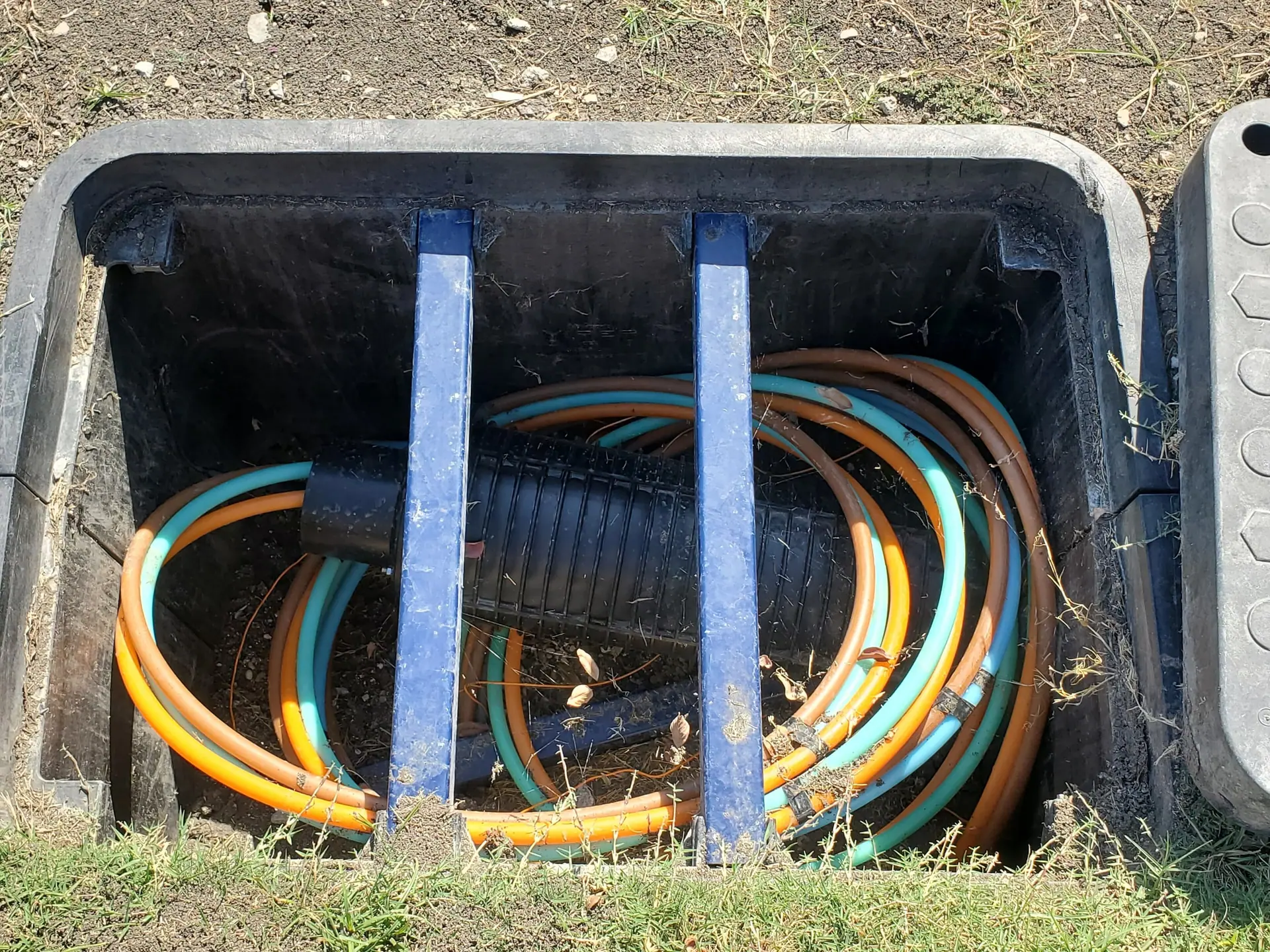
Cable

Cable internet

Coax-based service that's widely available: a strong fit for bundles, streaming-heavy homes and anyone who wants big speeds without a full fiber upgrade.

Typical speed tiers
  • 100 Mbps
  • 300 Mbps
  • 600 Mbps
  • 1.2 Gbps

Best for: Suburbs, bundle buyers and families mixing live TV with streaming apps.

5G Home

5G home internet

Internet delivered wirelessly from a 5G tower to a receiver in your home. Quick, simple setup and a great option if you want to stream without a technician visit or a complicated install.

Typical speed tiers
  • 100 Mbps
  • 300 Mbps
  • 500 Mbps
  • 1 Gbps

Best for: Renters, stream-first households and homes with strong local 5G signal.

DSL / Fixed

DSL & fixed wireless

Phone-line or tower-based connections. Not glamorous, but still useful for rural homes and as a backup where cable or fiber hasn't arrived yet.

Typical speed tiers
  • 25 Mbps
  • 50 Mbps
  • 100 Mbps

Best for: Rural households, cabins and anyone who needs a dependable, stream-safe basic fallback.

The speed translator

What megabits actually buy.

Four tiers, four kinds of household. Find yours and you'll know what to look for.

Solo
25–100 Mbps

Smooth HD streaming, light browsing and the occasional video call.

Family
200–500 Mbps

4K streams, several screens at once, remote work and smart-home devices.

Power
1 Gbps

Peak streaming, cloud backups, gaming and heavy uploads.

Studio
2 Gbps+

Live streaming, creator setups and a house full of screens.

Glowing blue fiber-optic strands fanning out toward the camera
The headline speed is only part of the story.
Reading the fine print

Advertised speed is just the headline.

We always look at the four numbers that matter most for streaming: download speed, upload speed, latency and the price once promotional rates end.

  • Upload speed

    The number that keeps a live stream or video call stable.

  • Latency

    The number that matters for gaming and lag-free playback.

  • Data caps

    The number nobody advertises but every streaming household notices.

  • Post-promo pricing

    The number your monthly bill actually becomes.

Next step

Get a plan matrix for your ZIP.

Share one ZIP and see every internet technology that reaches your address, with a specialist on the line if you'd like one.